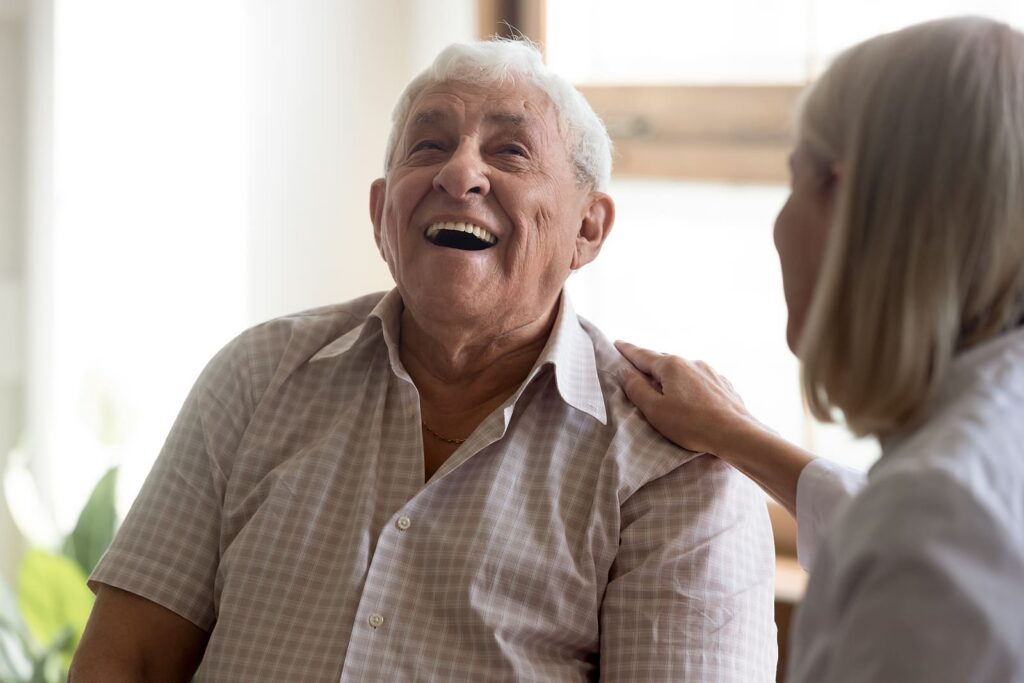
Many veterans hope to remain in the homes they know and love as they grow older. Aging in place allows them to stay connected to familiar surroundings, cherished memories, and established routines. As health needs change over time, family members often become the primary source of support. Veterans home care can provide valuable assistance that helps older veterans remain safe, comfortable, and independent while easing the responsibilities placed on family caregivers.
Military service often shapes a person’s values throughout life. Many veterans value independence, self-reliance, and privacy. Accepting assistance may not always come easily, even when daily tasks become more difficult. Families can help by introducing support in ways that respect dignity while promoting safety and well-being.
Recognizing When Additional Support May Help
Many veterans continue living independently for years. Over time, however, physical or cognitive changes may make certain daily activities more challenging.
Signs that additional support may be beneficial include:
- Difficulty preparing meals
- Increased fall risk
- Trouble keeping up with household chores
- Missed appointments
- Declining personal hygiene
- Mobility challenges
- Increased forgetfulness
Recognizing these changes early allows families to introduce assistance before small concerns become larger problems.
Make Home Safety a Priority
Creating a safe living environment is one of the most effective ways to help veterans remain at home.
Families should regularly evaluate the home for common hazards. Removing clutter from walkways, improving lighting, securing loose rugs, and organizing frequently used items within easy reach can help reduce fall risks.
Bathrooms often deserve special attention because slippery surfaces increase the likelihood of injury. Keeping commonly used supplies accessible can also minimize unnecessary bending or reaching.
A safer environment helps older veterans maintain confidence while moving throughout their homes.
Establish Consistent Daily Routines
Many veterans appreciate structure. Consistent daily schedules can make life feel more organized and predictable.
Simple routines may include:
- Regular mealtimes
- Morning personal care
- Scheduled physical activity
- Household chores
- Social visits
- Evening relaxation
Maintaining familiar routines can help reduce stress while supporting physical and emotional well-being.
Professional caregivers can assist with these routines while respecting personal preferences and established habits.
Encourage Physical Activity
Remaining active supports mobility, balance, and overall health.
Activity levels should always reflect individual abilities and healthcare recommendations, but even light movement throughout the day can provide benefits.
Walking outdoors, stretching, gardening, or participating in favorite hobbies that encourage movement can help older veterans remain engaged and physically active.
Caregivers can offer encouragement and companionship during these activities while providing assistance as needed.
Nutrition Supports Healthy Aging
Preparing balanced meals becomes more difficult for some seniors due to arthritis, reduced mobility, or decreased energy.
Regular meals support strength, hydration, and overall wellness.
Caregivers can assist with meal planning and preparation while respecting personal food preferences. Sharing meals together also creates opportunities for conversation and companionship that make daily routines more enjoyable.
Good nutrition remains an important part of maintaining health at every stage of aging.
Address Social Isolation
Many older veterans experience loneliness after retirement or the loss of close friends and family members.
Social isolation may affect emotional well-being and reduce motivation to participate in daily activities.
Families can encourage regular connection by scheduling visits, phone calls, community activities, or family gatherings whenever possible.
Professional companionship also provides valuable opportunities for conversation, shared hobbies, and meaningful interaction throughout the week.
Remaining socially connected supports both emotional health and overall quality of life.
Respect Independence
Veterans often take pride in managing their own lives.
Instead of assuming responsibility for every task, families should encourage continued participation whenever it is safe to do so.
For example, a veteran who enjoys cooking may continue preparing simple meals with assistance gathering ingredients or handling heavier cookware. Someone who enjoys maintaining the yard may appreciate help with physically demanding tasks while remaining involved in lighter work.
Supporting independence helps preserve confidence and personal dignity.
Prepare for Changing Needs
Care needs rarely remain the same over time.
Health conditions may progress, mobility may change, or recovery following illness may require temporary increases in assistance.
Families benefit from planning ahead by discussing preferences before urgent decisions become necessary.
Having flexible support available makes it easier to adjust care as circumstances change.
Support Family Caregivers Too
Adult children, spouses, and other family members often devote significant time to caregiving.
Balancing caregiving with employment, parenting, and personal responsibilities can become exhausting.
Professional home care allows family caregivers to share responsibilities while remaining actively involved in their loved one’s life.
Some benefits include:
- Reduced caregiver stress
- Greater opportunity for rest
- More flexibility with work schedules
- Improved family relationships
- Confidence that daily needs are being addressed
Sharing caregiving responsibilities helps families maintain healthier long-term support systems.
How Veterans Home Care Supports Aging in Place
Veterans home care focuses on helping older veterans continue living comfortably at home while receiving assistance with everyday activities.
Support may include companionship, meal preparation, light housekeeping, transportation to appointments, assistance with personal care, and help maintaining daily routines.
These services allow veterans to remain in familiar surroundings while receiving the practical assistance they need to continue living safely and independently.
Because every veteran has unique experiences and preferences, personalized care plans help ensure services reflect individual needs and goals.
Honoring Service Through Compassionate Support
Growing older should not mean giving up the comfort of home or the independence built over a lifetime.
Family Pride Private Home Care understands the importance of providing respectful, individualized support that recognizes each veteran’s unique life experiences. Veterans home care allows aging veterans to receive assistance while continuing to enjoy familiar routines, treasured memories, and meaningful connections within their own homes.
Families gain reassurance knowing their loved one has dependable daily support, while veterans maintain the comfort and dignity that come with aging in place. Through personalized care, Family Pride Private Home Care helps older veterans continue living safely and confidently at home. Family Pride Private Home Care is honored to support those who have served by providing compassionate assistance that promotes independence, comfort, and peace of mind.
If you or an aging loved one is considering veterans home care in New London, CT, please contact the caring staff at Family Pride Private Home Care today. For MA: 508-452-6138, RI: 401-237-5450, CT: 203-643-1537

- Fall Prevention Starts Before the First Fall: How Home Care Supports Safer Aging - September 10, 2026
- Simple Home Adjustments That Help Older Adults Stay Independent Longer - August 26, 2026
- Helping Seniors Recover More Comfortably After a Lengthy Hospital Stay - August 7, 2026